Right Here, In A Manger
Merry day-after-Christmas from Good Spirits Farm (where we're always a little bit behind)
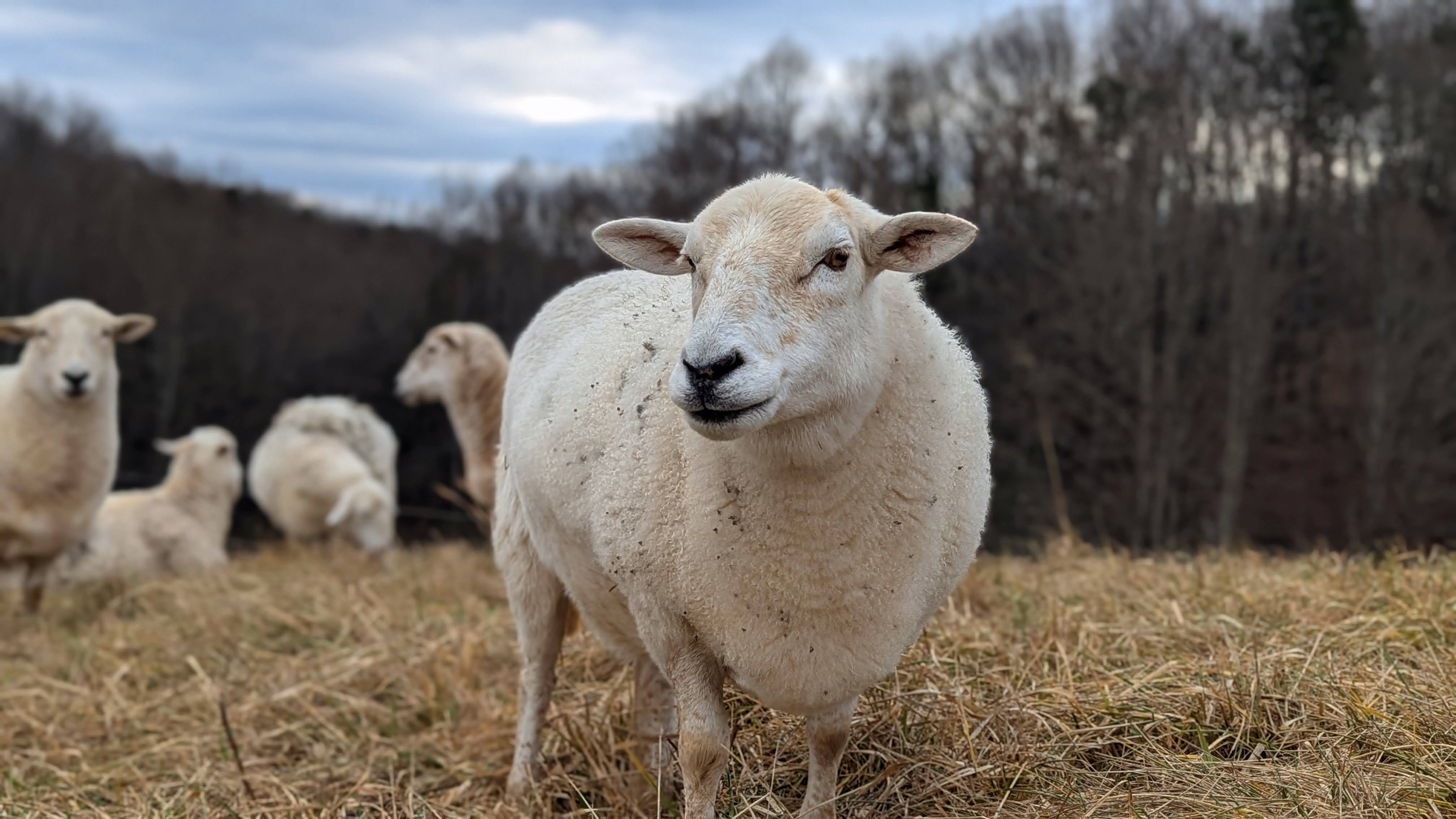
You are gentle as a lamb, bringing the most important gifts of softness, comfort, and joy into this world. — Juliet, perpetual bringer of joy (and trouble)
Here’s What’s Happening At Good Spirits Farm
Normally, I winterize my hives the weekend after Thanksgiving. This year, we got hit with a cold snap in mid-November. It lingered and lingered. As November turned to December, I wondered when—if ever—I’d get a chance to help my bees prep for winter.
Unless it’s a true emergency, you never open hives in temps under 50 degrees, as cracking the tops lets out the stored heat the bees have been diligently working to produce. So, I had to simply wait and hope everyone would make it through until a warm day arrived.
Finally, this week, the weather topped 60 degrees: Go time.
There are two main winter killers for bees: A lack of food and the threat of moisture. Bees stay warm in a ball all winter, with those on the outside of the ball creating warmth by fanning their wings. This, of course, takes lots of energy. The warmth they create can also cause condensation to form on the underside of the hive lid. When this drips back onto the bee ball, it can knock out an entire hive in no time. Winterizing, therefore, consists of adding a moisture-absorbing layer to the top of the box and giving the bees an emergency stash of sugar.
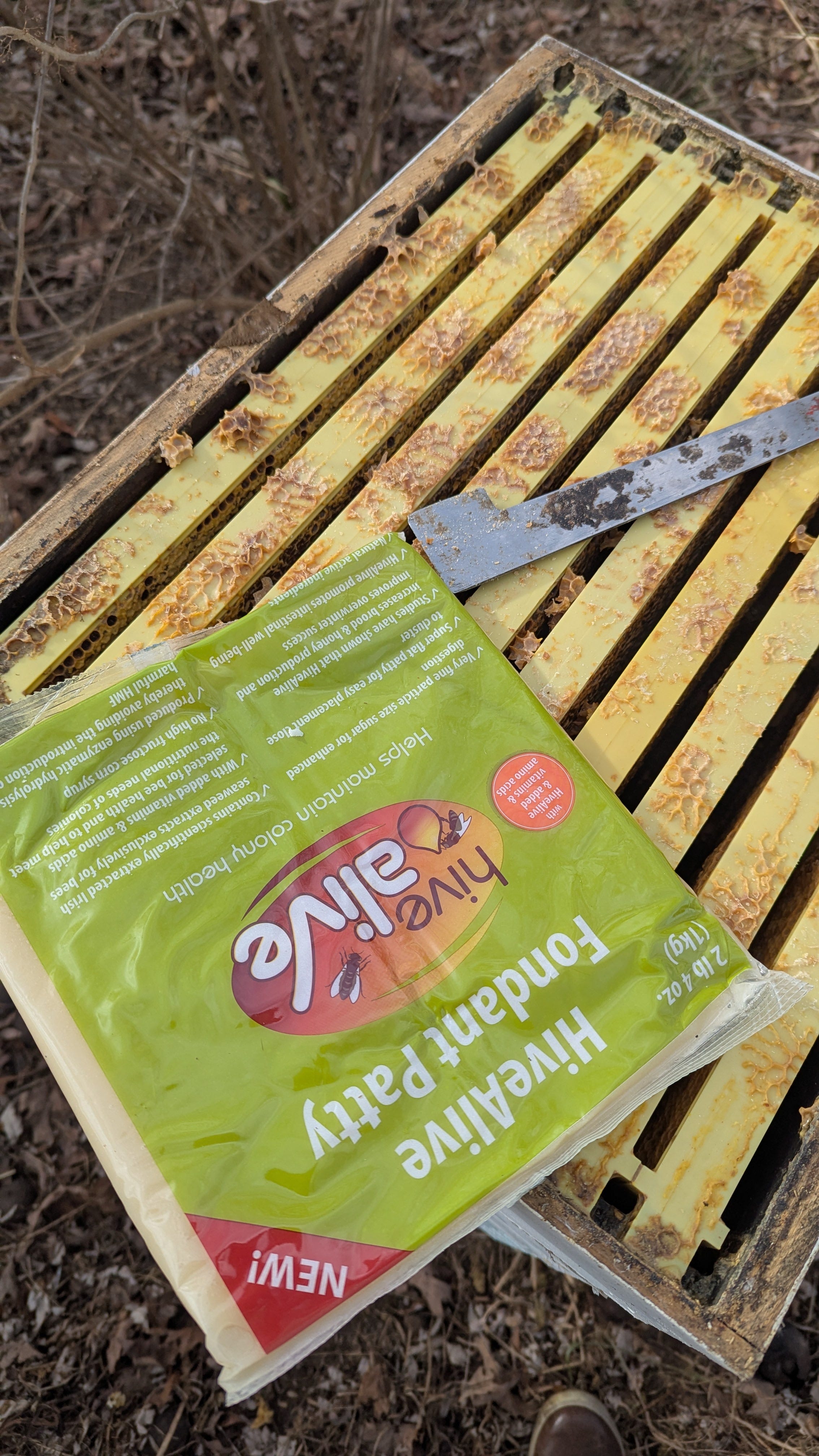
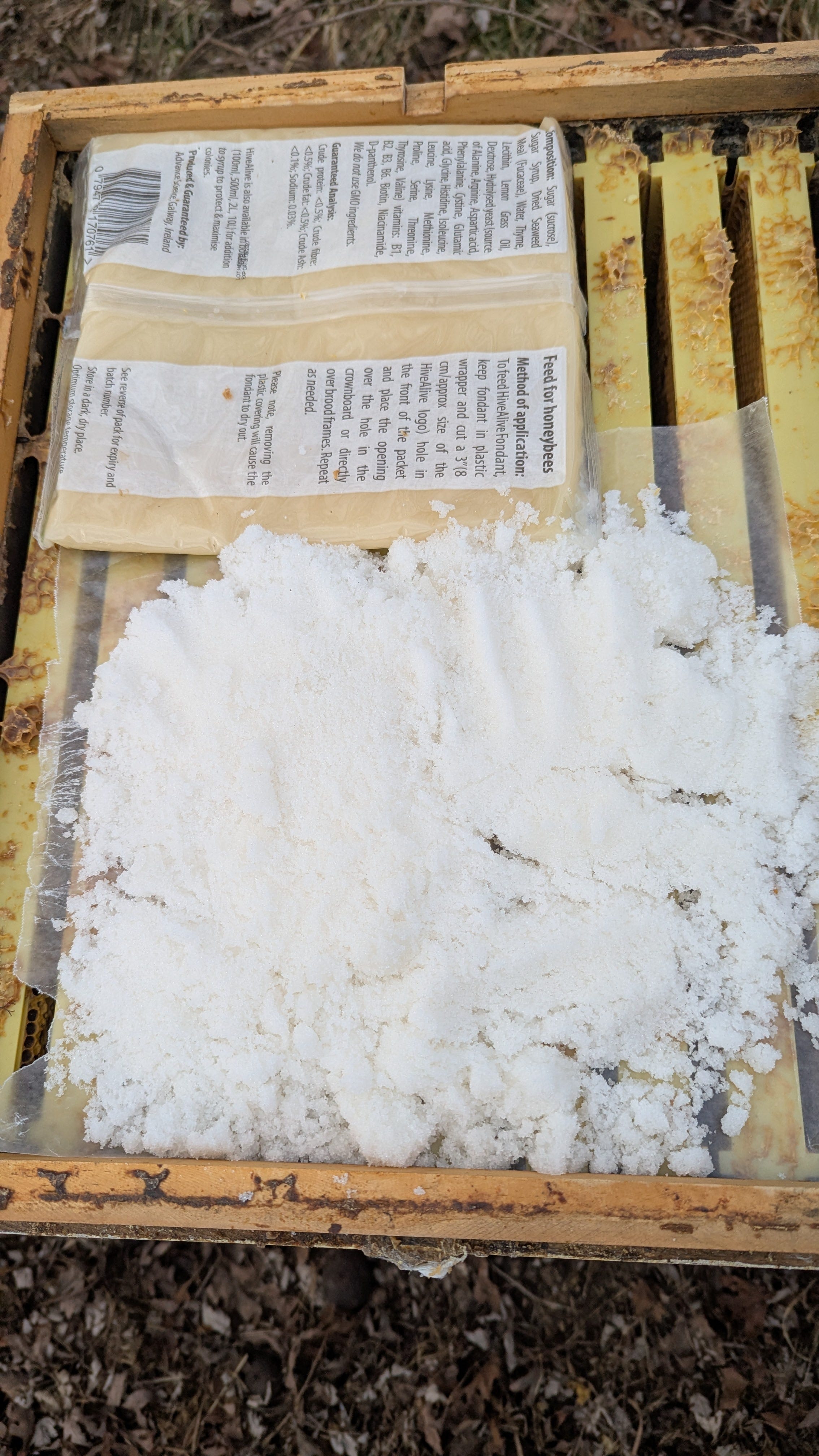
This year I’m trying these new fondant patties, which have vitamins and minerals added to the sugar. Because they’re expensive and not that big, I covered the rest of the box in my normal bee fondant recipe - a mix of sugar, water, and a tiny bit of white vinegar.
The bad news is that I’ve already lost one hive this winter. I cracked into it and didn’t see a single bee coming to “greet” me. As I pulled off the upper boxes, I found a ball of totally dead bees below. Ugh.
I suspect their queen may have died in late fall, as I found “supersedure cells” in the hive. When a queen is sick, not laying, or dead, the other bees can force the creation of a new queen in a supersedure cell. While it looks like the the new queens hatched, they needed to mate with a drone in order to start laying eggs. There are very few drones in the fall, so perhaps this didn’t happen. The result was likely no new brood hatching throughout the fall and a tiny hive that couldn’t stay warm come winter.
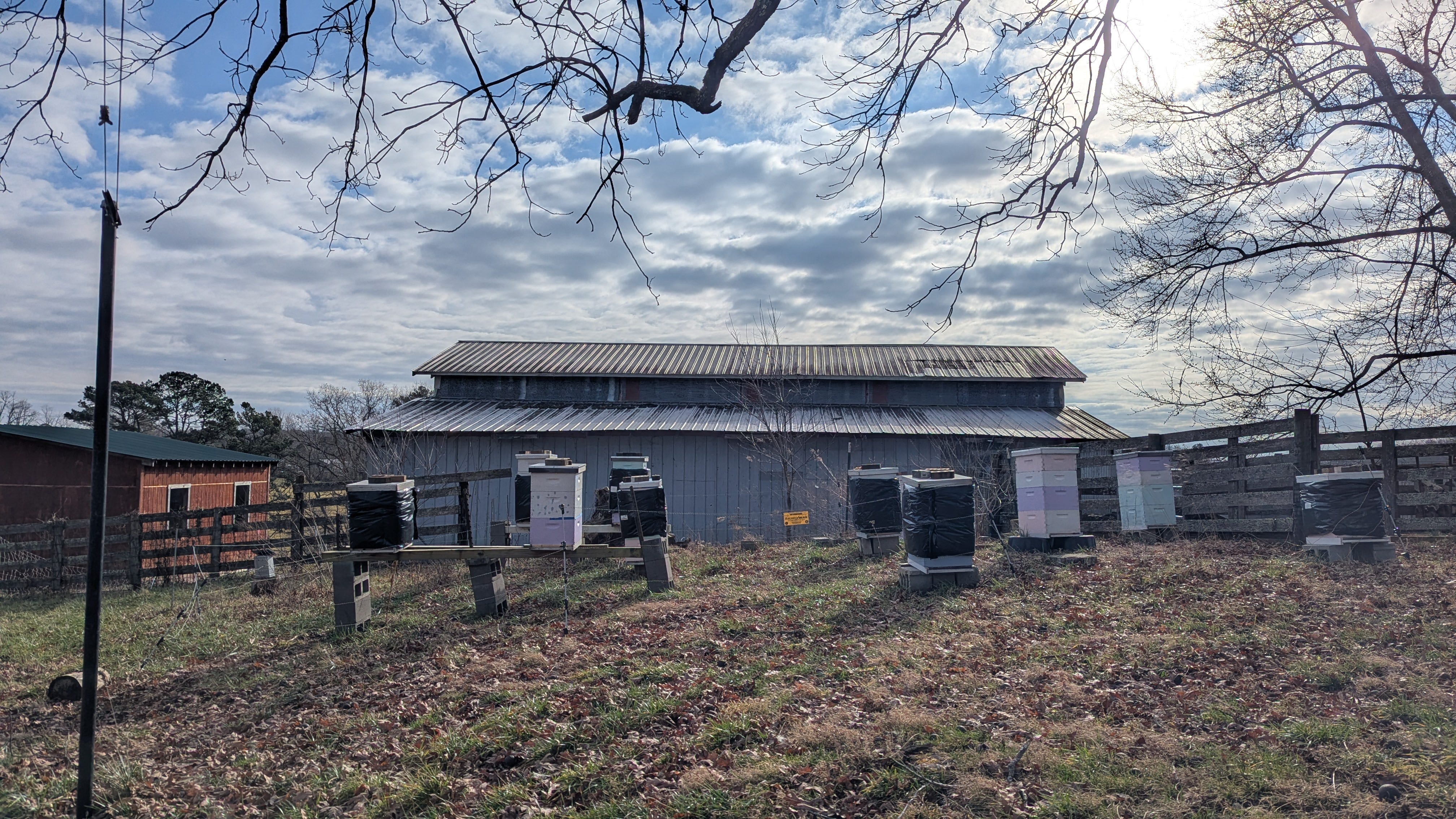
I distributed the dead hive’s saved up honey to some of my weaker hives in hopes that their loss will help keep others alive. Finally, I wrapped all my weakest hives in bee cozies to try to give them a little extra help staying warm.
Farm baby now has a handful of words, including Mama, Dada, Papa, and…baba, which very specifically means chickens (and ducks). I guess it shouldn’t surprise me that he’d love chickens at an early age (that whole nature vs. nurture thing), but boy does he enjoy visiting his babas.
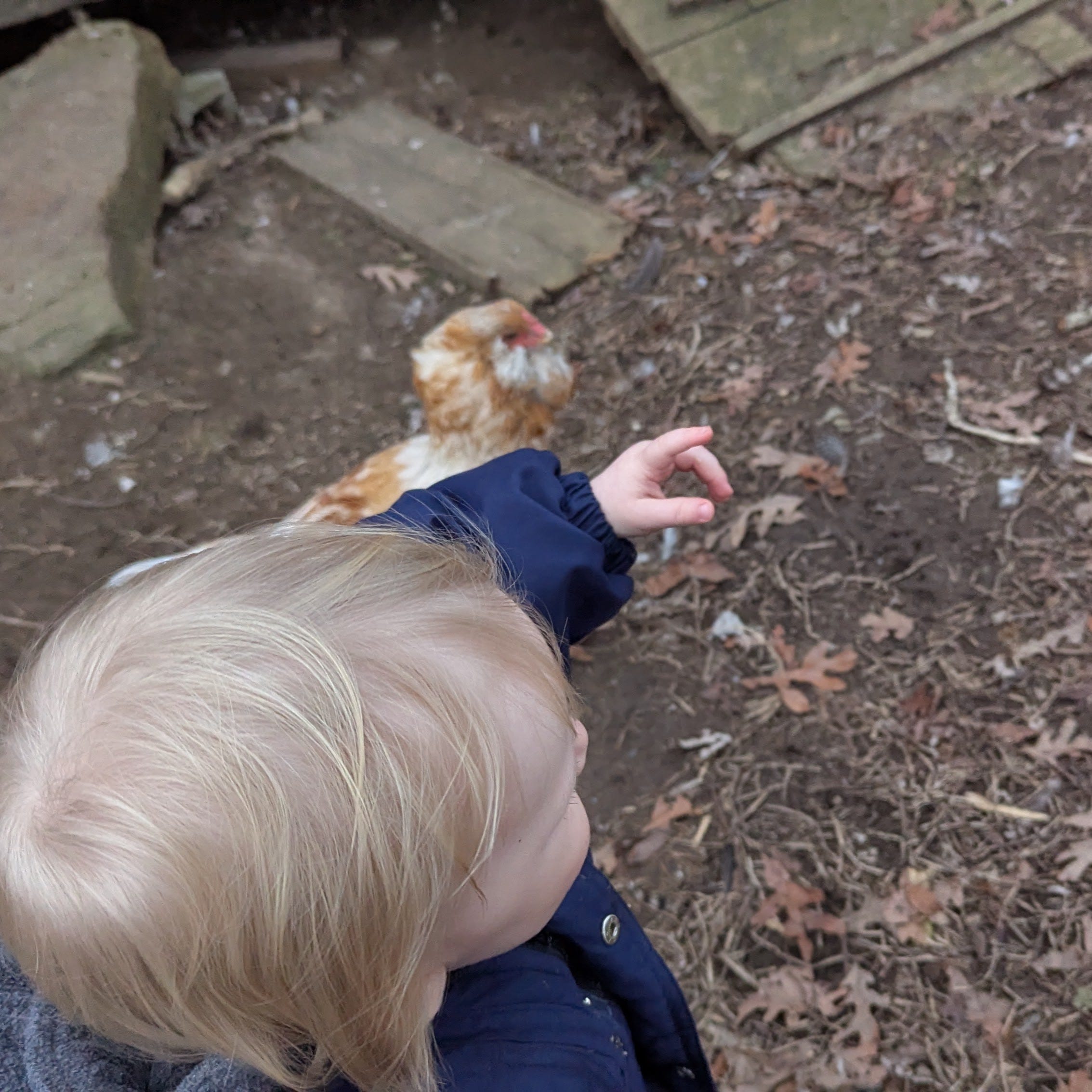
(We ride at dawn, Heebeejeebies!)
Here’s What I Loved This Week
My social media break has given me more time for crocheting in the evenings. I’ve been enjoying making warm things for the family.
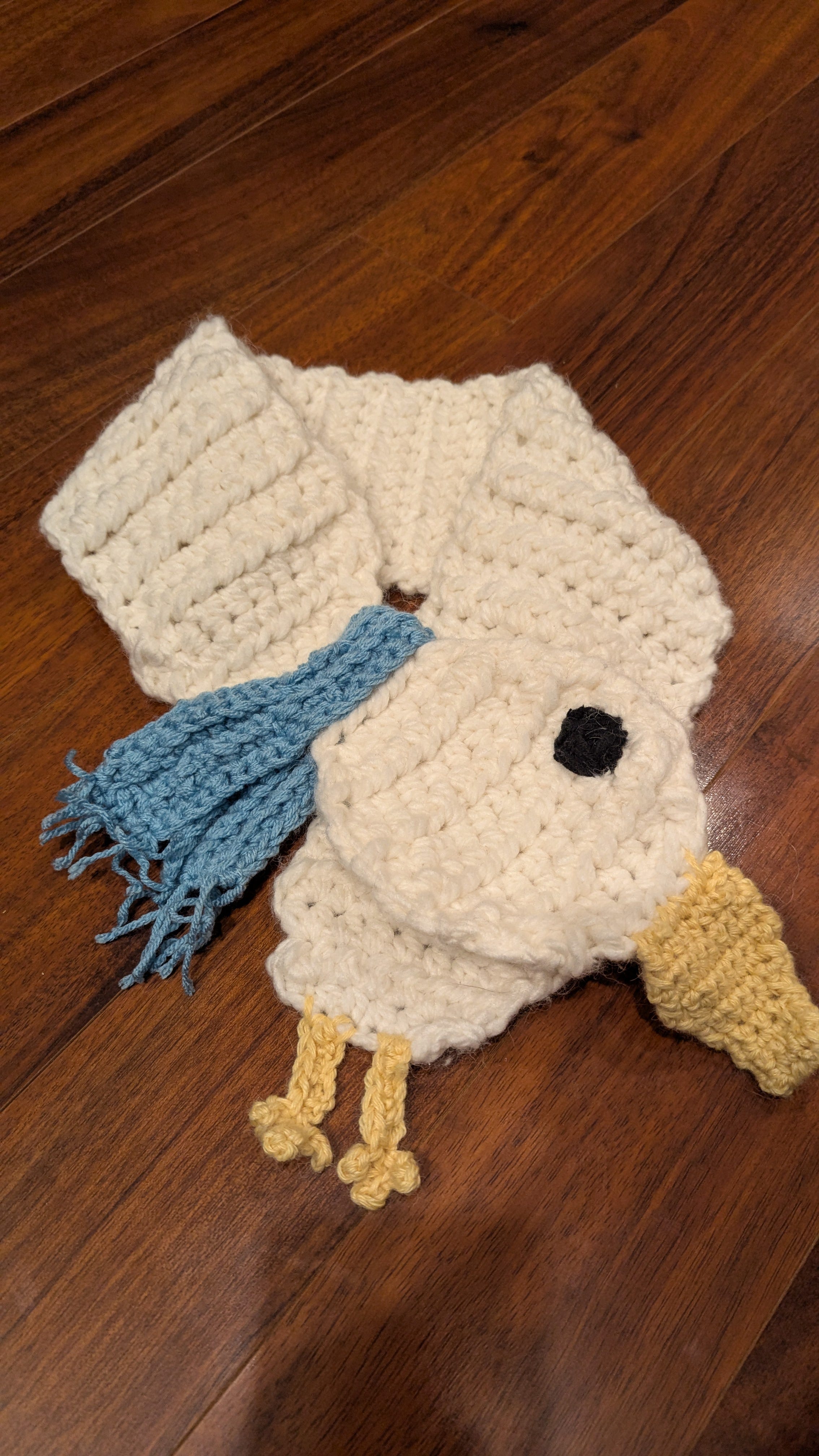
Some have been more successful than others. Like this baba scarf for Farm Baby.
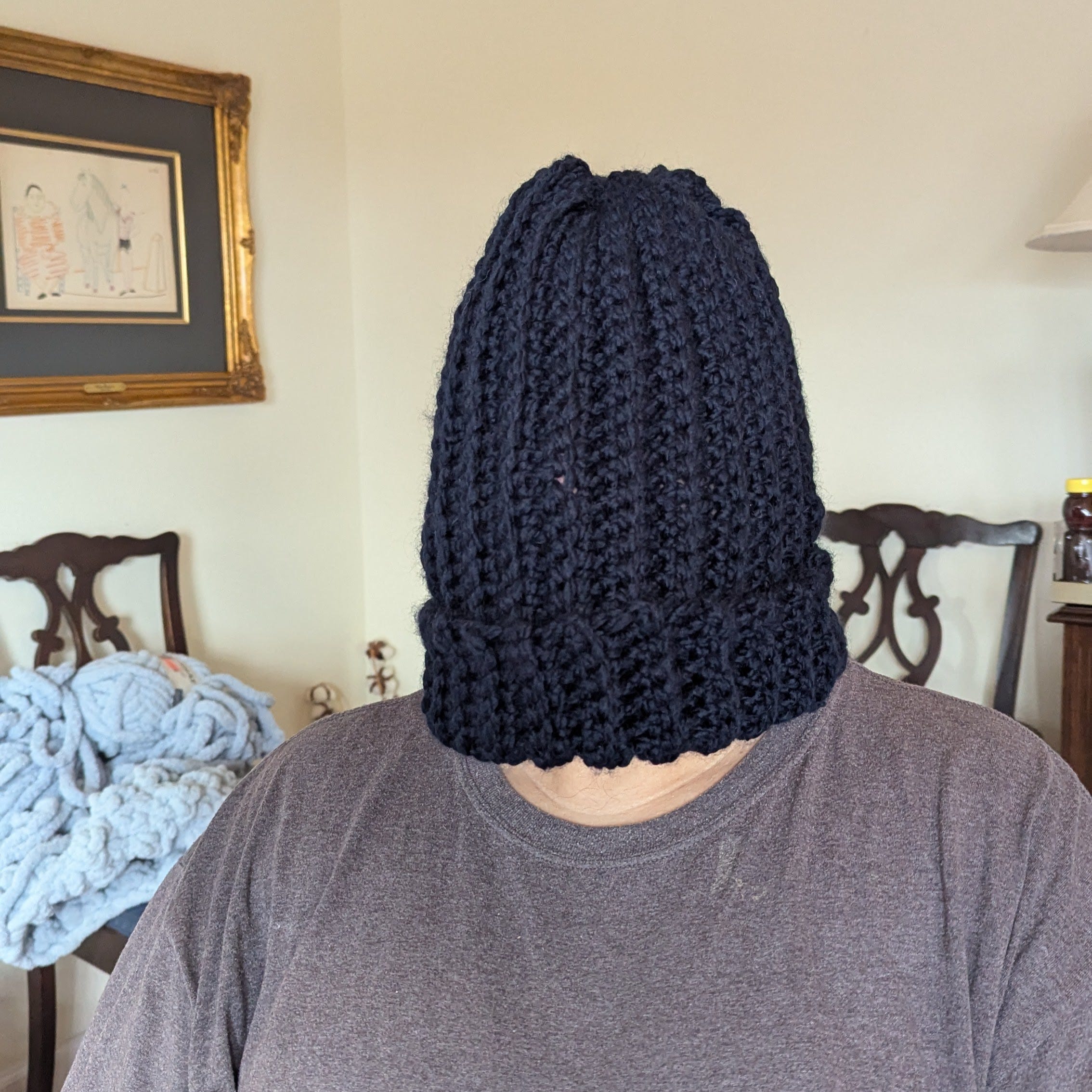
Less successful was this hat, which followed Todd’s orders for “an extra large hat” just a little too literally.
Oh, just fold it up, you say? When you fold it up enough to actually, you know, see out of it, the bottom is so thick it looks like a crocheted sombrero.
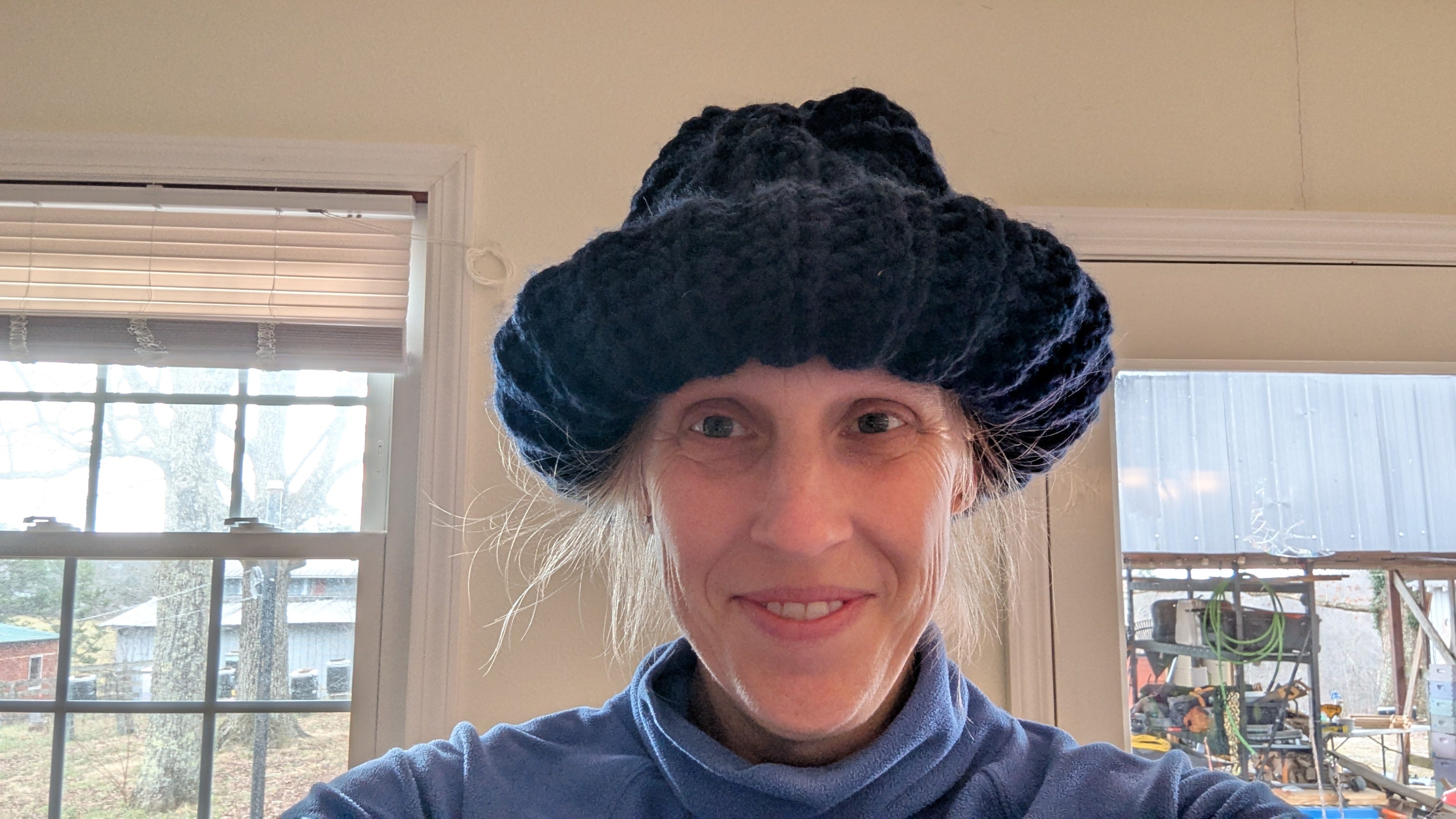
If anyone knows Marge Simpson, send me her address, and I’ll mail this to her.
Merry Christmas! May your new year be full of good intentions and trying your best.
I got a good chuckle out of the hat—thank you for sharing that! The scarf is precious, as is your farm and family. Thanks for taking care of the bees, I’m sorry some didn’t make it. You do SO much and know so much! It’s impressive, and I love learning all of the things you share. Much love and respect,
Meg
Happy holidays! Hoping very much that the bees make it. ❤️